Cookies help us deliver our services. By using our services, you agree to our use of cookies.

Search
You have no items in your shopping cart.


The Aircraft Parts Supplier That Keeps You in the Air
Air Power Inc. proudly offers genuine OEM aircraft parts from the most trusted names in the aviation industry, ensuring unparalleled reliability and quality for general aviation pilots and mechanics worldwide.
LOW PRICE GUARANTEE
Air Power has long been known as the leading low-cost parts supplier across many OEM quality brands.
Learn MoreFREE SHIPPING IN U.S.A
For orders in the Continental United States, Air Power ships orders via ground shipping free of charge on most products.
Learn More45 DAY RETURNS ON MOST PRODUCTS
Most items are eligible for returns and may be returned for credit card or refund within 45 days of shipment.
Learn MorePopular Manufacturers












BEST SELLERS
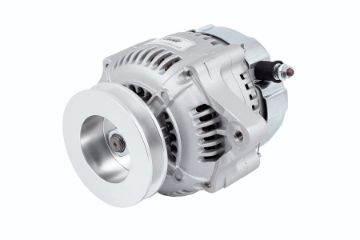
10-1050A Plane Power Alternator For AL12-F60 Kit
Part Number: 10-1050A
2 in stock - New
AL SERIES: The original Plane-Power alternators, these are modern, lightweight replacements for OEM alternators.
$1,136.14
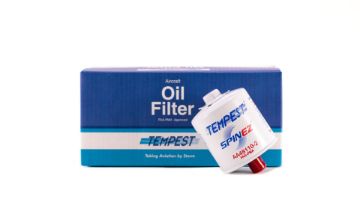
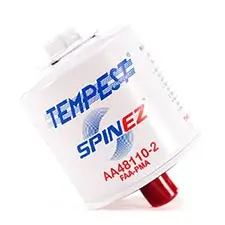
Tempest AA48110-2-6PK Oil Filter - 6 Pack
Part Number: AA48110-2-6PK
409 in stock - New
Tempest Oil Filter - Six Pack
$179.91

TSI0520T1BN Continental Engine - NEW TSIO-520-T1
Part Number: TSI0520T1BN
1 in stock - New
$80,530.00
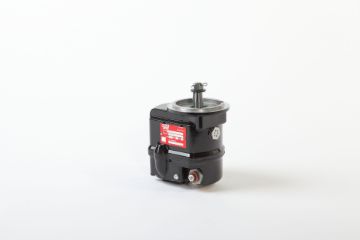
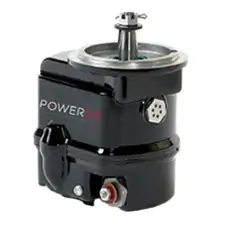
ES4309 PowerUp Ignition New PMA Magneto
Part Number: ES4309
3 in stock - New
Direct replacement for Slick by Champion magnetos // Excellent component improvements to the: Impulse Coupling, Coil, Block, Capacitor, Breaker, Gear
$1,424.63
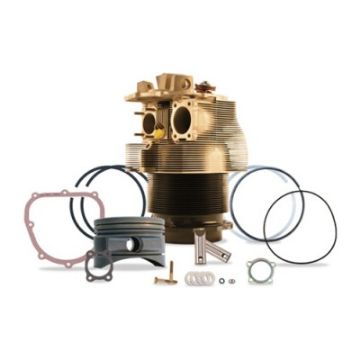
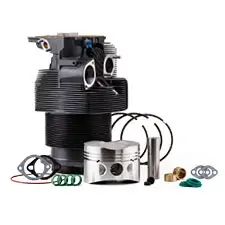
658810A3 Continental CYL & VALVE LOADED
Part Number: 658810A3
60 in stock - New
IO-550-A, B & C
$1,927.70
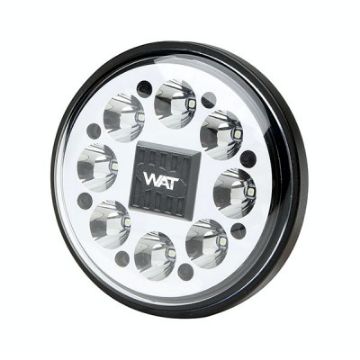
LSM-SCD-042-1 Whelen PAR36-24W LED LIGHT ASSEMBLY
Part Number: LSM-SCD-042-1
6 in stock - New
$499.00
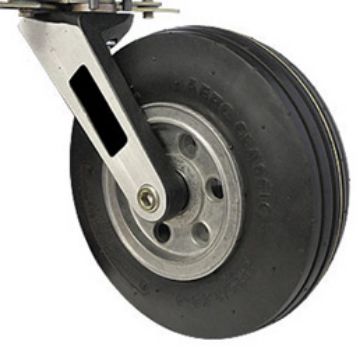
1V1514 Desser Tire - Aero Classic 2.80/2.50-4 6 Ply rating Tailwheel Tire
Part Number: 1V1514
In stock - New
Heavy Duty Scott 3200 series tailwheel tire, thicker rubber, stiffer sidewalls.
$80.69

Alcor EGT/TIT Screw-In (1/4 NPT) Type K Thermocouple (86143)
Part Number: 86143
In stock - New
Screw-in style thermocouples are available for EGT/TIT probes and are available in Type K and Type E. These thermocouples can also be found as grounded and ungrounded options. Alcor screw-in thermocouples are available in 7/16”-20 thread size (common on Continentals) or 1/4” NPT (common on Lycomings).
$188.04
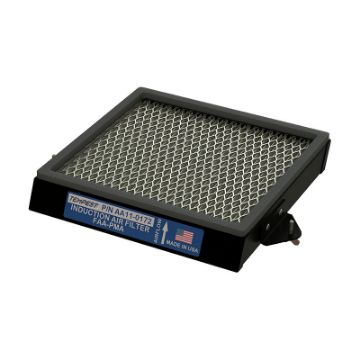
AA11-0172 Tempest Plus Aircraft Parts INDUCTION AIR FILTER
Part Number: AA11-0172
In stock - New
CESSNA: 177, 177A-B, RG
$254.23
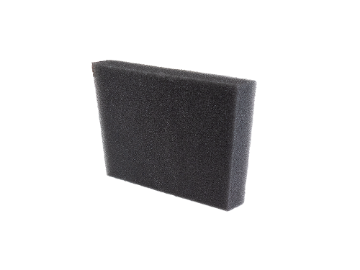
BA-6108 Brackett ELEMENT
Part Number: BA-6108
175 in stock - New
BEECH "SKIPPER" MODEL 77
CESSNA 170 ALL 172 THU M MOONEY "MITE" M-18C REIMS (CESSNA) F172D, E, F, G, H, K, L, M
CESSNA 172N, P REIMS (CESSNA) F172N, P NOTE SAME AS BA-5110 execpt Airloc Fasteners for Cowl Removal
MOONEY M20, M20A, B, C, D, G MAULE M-4, M-4C, M-4S, M-4T, M-4-220, M-4-220C, M-4-2205, M-4-220T, M-4-180C, M-4-180S, M-4-180T, M-5-220C, M-5-235C, M-5-180C, M-5-210TC, M-6-180, M-6-235, M-7-235, MX-7-180
$9.85
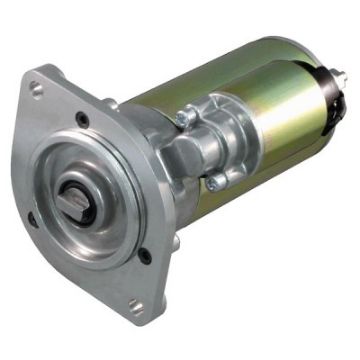
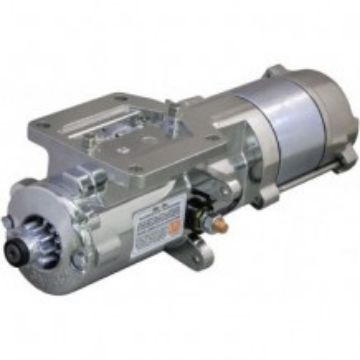
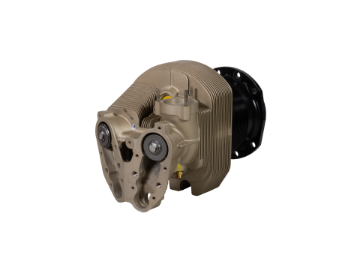

94011-03 Barry Controls Barry Engine Mount for Piper PA-30 & PA-39
Part Number: 94011-03
7 in stock - New
Engine Mount for Piper PA-30, -39
$189.24

TSI0520T1BR Continental Engine - REBUILT TSIO-520-T1
Part Number: TSI0520T1BR
1 in stock - Rebuilt
$73,300.00
Explore Our Inventory of Top-Quality Aircraft Parts Today
When it comes to the performance and reliability of your piston-powered aircraft, there's no room for compromise. As one of the largest aircraft parts suppliers in the industry, our inventory is stocked with the highest-quality aviation parts your general aviation aircraft make and model needs to stay safe in the sky. Our commitment to safety, excellence and affordability has positioned us as the trusted partner of pilots, flight schools and aviation professionals across the globe. Browse our selection of aircraft parts and accessories today.
Latest News
February 29, 2024
Register Now for Lycoming Engine School 2024!
Calling all pilots, aircraft owners, and experimental aircraft builders! Want to enhance your piston engine knowledge? Then Lycoming Engines Training School is for you! Lycoming Engines is hosting a series of week-lon...
January 03, 2024
PowerUP Ignition Systems - Introducing General Aviation's #1 Magneto & Ignition Parts Line
Introducing PowerUp Ignition Systems by Hartzell Engine Technologies, the ultimate choice for general aviation aircraft. This innovative product line offers improved magnetos with durability and performance, providing...
July 31, 2023
Air Power, Inc. is elated to announce its upgraded status as a Full Line Tempest Distributor. This significant development expands our all-inclusive product line, bringing the finest quality spark plugs, oil filters, ...
June 28, 2023
FedEx No Longer Supporting COD Services
Effective July 31, 2023, FedEx Ground Collect on Delivery (C.O.D.), FedEx Ground Electronic Collect on Delivery (E.C.O.D.), and FedEx Express Collect on Delivery (parcel and freight) within and to the U.S. will be ret...

Leading the Way as Your Premier Aircraft Parts Supplier
Air Power Inc. is more than an aircraft parts supplier – we're the leading global direct distributor of aircraft engines, parts, accessories, cylinders and other components for general aviation aviators. We've achieved that designation the only way we know how: offering the highest quality general aviation aircraft parts, engines and accessories for the best price through exceptional, expert service. Since our start in 1992, we've become one of the largest airplane parts companies in the world, fueling the passions of general aviation pilots to continue to fly the high skies. Whether you're looking for OEM aviation parts, new or rebuilt engines or accessories, we're here to provide expert services to fix and maintain your piston-powered aircraft.
But don't just take our word for it. To stand out from the crowd of other aircraft parts suppliers, we've built our reputation on partnerships with leading manufacturers and brands you know and trust. We're Lycoming's most prominent global aircraft engine distributor and Continental's preferred aircraft engine provider. And those aren't our only significant partners – Air Power Inc. is a trusted aircraft parts supplier of general aviation aircraft parts and accessories from over 90 premier manufacturers. In addition, we carry an extensive catalog of Cessna aviation parts directly from Textron Aviation at unbeatable prices. Ready-to-ship Continental AvGas and Lycoming aircraft engines are available – no matter what aircraft you have in the sky, we have an aircraft engine to match.
As a leading airplane parts company, we understand that every customer's needs are unique. Let our expert knowledge of aircraft parts, aircraft avionics and accessories give you the best value for your investment. You're just a phone call away from an accomplished specialist ready to help you find the aviation parts you need. As a part of our expert service, we offer financing, installation and upgrade options for your aircraft engine. Give us a call at Give us a call at 800-247-7693 and learn how we can help you keep flying.
OUR BLOG
17
Apr
2024
The Crucial Role of the Oil Filter
There's plenty of aircraft oil filters on the market, but only one comes out on top. Oil filters play a significant role in the health of your airc...
08
Apr
2024
Choose the Right Starter with Sky-Tec
In this article, we will explore why Sky-Tec is the trustworthy brand when it comes to selecting your aircraft's starter. Sky-Tec offers a variety ...
05
Apr
2024
Secure Your Aircraft with Skybolt Fasteners!
Skybolt Aerospace Fasteners is a reputable company specializing in high-quality quarter-turn panel fasteners, grommets, and receptacles for various...